
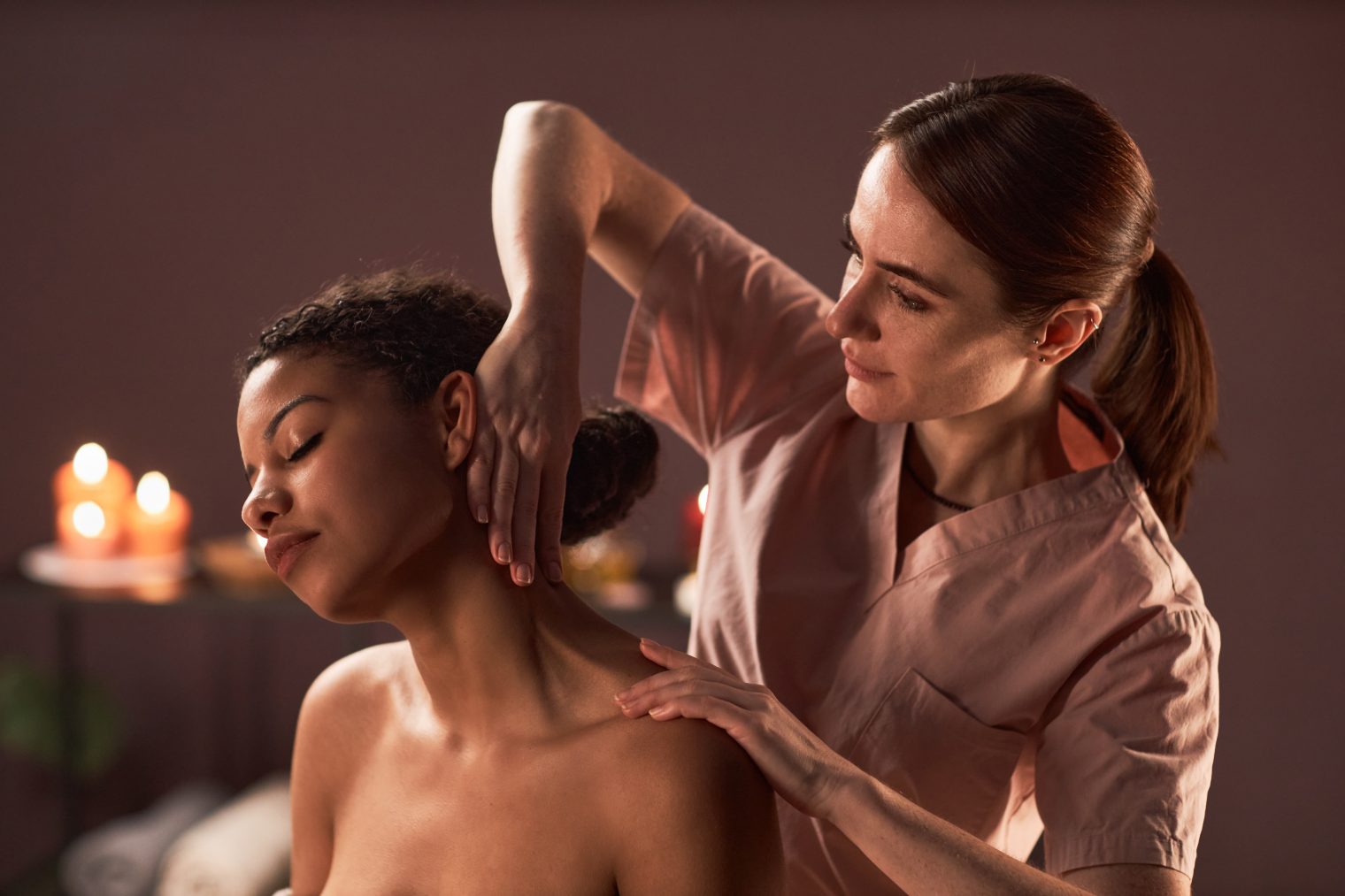
Massage therapy has long been associated with relaxation, but its impact on athletic performance and recovery goes far beyond unwinding after a long day. In the world of sports, where the physical demands are high, athletes constantly seek ways to optimize their performance and accelerate recovery. This is where massage therapy plays a pivotal role. Whether you’re a seasoned professional or a weekend warrior, incorporating massage therapy into your routine can provide significant benefits that enhance your overall athletic journey.
What is Massage Therapy?
Massage therapy is a hands-on technique that involves manipulating the muscles, tendons, ligaments, and fascia to alleviate pain, improve circulation, and promote relaxation. This practice has been used for centuries across various cultures, evolving into a key component of modern sports medicine. In the context of athletics, massage therapy isn’t just about feeling good—it’s about functional recovery and performance optimization.
Types of Massage Therapy Used in Sports
There are several types of massage therapy commonly used in sports, each targeting specific needs:
- Swedish Massage: Focuses on relaxation and overall muscle tension relief.
- Deep Tissue Massage: Targets deeper layers of muscle and connective tissue to address chronic muscle tension.
- Sports Massage: Specifically designed for athletes, it combines various techniques to enhance performance and prevent injuries.
- Trigger Point Therapy: Focuses on releasing tight areas within muscles, known as trigger points, which can cause pain and discomfort.
The Role of Massage Therapy in Sports
Massage therapy is not just a luxury for athletes—it’s an essential tool for enhancing athletic performance and speeding up recovery. The strategic application of massage techniques can help athletes reach their peak potential by optimizing their physical and mental states.
Enhancing Athletic Performance
Massage therapy helps to improve muscle efficiency, reduce fatigue, and enhance focus, which can directly impact an athlete’s performance. It prepares the body for intense activity, assists in maintaining optimal muscle condition, and ensures that athletes are physically ready to compete at their best.
Assisting in Recovery
One of the primary roles of massage therapy in sports is to aid in recovery. After strenuous exercise or competition, the body undergoes a natural recovery process. Massage therapy speeds up this process by reducing muscle soreness, flushing out metabolic waste, and re-aligning muscle fibers, allowing athletes to bounce back faster.
Benefits of Massage Therapy for Athletes
Improved Blood Circulation
Massage stimulates blood flow, which enhances oxygen and nutrient delivery to muscle tissues. This increased circulation helps reduce muscle fatigue and accelerates the healing of damaged tissues, promoting quicker recovery.
Reduction of Muscle Tension and Pain
Muscle tightness and pain are common issues for athletes. Massage therapy helps to relax and lengthen muscles, relieving tension and discomfort. Techniques like deep tissue and sports massage are particularly effective in breaking down scar tissue and reducing inflammation.
Enhanced Flexibility and Range of Motion
Maintaining flexibility is crucial for athletes to perform at their best. Massage therapy can improve muscle elasticity and joint mobility, which translates to better overall movement and a reduced risk of injuries.
Stress and Anxiety Reduction
The mental aspect of sports is just as important as the physical. Massage therapy not only relaxes the body but also calms the mind, reducing stress and anxiety levels. This mental relaxation can improve focus and confidence, essential for peak performance.
Massage Therapy Techniques for Athletes
Swedish Massage
This gentle technique uses long, flowing strokes to promote relaxation and improve circulation. It’s ideal for pre-event relaxation or post-event recovery.
Deep Tissue Massage
Focused on the deeper layers of muscle tissue, this technique addresses chronic pain, muscle tension, and tight areas that can hinder performance.
Sports Massage
A blend of different techniques, sports massage is tailored to the athlete’s specific needs, whether it’s preparing for a competition or recovering after a tough workout.
Trigger Point Therapy
This technique targets specific points of tension within the muscles, often the root cause of referred pain. Releasing these points can significantly reduce pain and improve overall function.
How Massage Therapy Enhances Performance
Increased Muscle Efficiency
Massage therapy improves muscle performance by enhancing blood flow, increasing oxygen supply, and reducing muscle fatigue. This ensures that muscles operate at peak efficiency, leading to better athletic performance.
Faster Warm-Up and Cool-Down Times
Massage therapy can reduce the time needed for muscles to warm up before exercise and cool down afterward. This means athletes can start their activities more prepared and recover faster once they’re done.
Reduced Risk of Injuries
Massage therapy helps prevent common sports injuries like strains, sprains, and muscle tears by improving flexibility, reducing muscle tightness, and addressing imbalances.
The Role of Massage Therapy in Recovery
Speeding Up Recovery Time
Massage therapy aids in quicker recovery by promoting faster clearance of lactic acid and other metabolic waste products that accumulate during intense physical activity.
Reducing Delayed Onset Muscle Soreness (DOMS)
DOMS is the pain and stiffness felt in muscles hours or days after unaccustomed or strenuous exercise. Massage therapy helps minimize this soreness, allowing athletes to return to their training routines sooner.
Facilitating Mental Recovery
Recovery isn’t just physical—it’s also mental. Massage provides a relaxing environment that can help athletes mentally reset, alleviating the stress and mental fatigue that comes with rigorous training and competition.
Pre-Event vs. Post-Event Massage Therapy
Purpose and Timing
Pre-event massage focuses on preparing the muscles for action, while post-event massage is all about recovery. Pre-event techniques are typically more stimulating, helping to warm up muscles, whereas post-event massages are calming and restorative.
Specific Techniques for Each
- Pre-Event: Quick, invigorating strokes to stimulate blood flow.
- Post-Event: Gentle, soothing techniques to aid recovery and reduce muscle tension.
Common Misconceptions About Massage Therapy in Sports
Myths vs. Facts
There’s a misconception that massage is just for relaxation and has no real impact on performance. However, numerous studies have shown its benefits in reducing injury risk and enhancing recovery.
The Science Behind Massage Therapy
Research supports the effectiveness of massage in reducing muscle soreness, improving circulation, and aiding recovery, making it a scientifically-backed tool for athletes.
The Psychological Benefits of Massage for Athletes
Boosting Confidence and Focus
Massage therapy can enhance an athlete’s mental state, boosting confidence and focus, which are crucial for peak performance. The calming effect of massage helps athletes maintain a positive mindset.
Managing Performance Anxiety
Athletes often face performance anxiety, which can hinder their ability to perform. Massage therapy helps reduce this anxiety, creating a sense of calm and mental clarity.
Who Can Benefit From Sports Massage Therapy?
Professional Athletes
From Olympians to professional footballers, massage therapy is a staple in their training regimens, aiding performance and recovery.
Amateur Sports Enthusiasts
Even if you’re not a professional, you can still reap the benefits of massage therapy. It helps keep you in top shape, whether you’re training for a marathon or playing recreational sports.
Fitness Beginners
Massage therapy can be especially beneficial for beginners who are prone to muscle soreness and stiffness as they adapt to new training routines.
Choosing the Right Massage Therapist for Athletes
Qualifications to Look For
Ensure your therapist is certified and experienced in sports massage techniques. Look for therapists who understand the specific demands of athletic performance.
Questions to Ask Your Therapist
Ask about their experience with athletes, their approach to different types of massage, and how they customize sessions to meet your specific needs.
Incorporating Massage Therapy into Your Training Routine
Creating a Massage Schedule
To maximize the benefits, work with your therapist to develop a massage schedule that aligns with your training and competition timeline.
Balancing Massage with Other Recovery Methods
Massage therapy should be part of a holistic recovery approach that includes proper nutrition, hydration, sleep, and stretching.
Potential Risks and Precautions
Understanding Contraindications
Massage therapy isn’t suitable for everyone, especially those with certain medical conditions such as fractures, infections, or severe inflammation. Always consult with a healthcare provider before starting massage therapy.
When to Avoid Massage Therapy
Avoid massage if you have open wounds, severe bruising, or any condition that could be aggravated by physical manipulation.
Conclusion
Massage therapy is a powerful tool that enhances athletic performance and accelerates recovery. By integrating massage into your routine, you not only keep your body in peak condition but also support your mental health, allowing you to perform at your best both on and off the field. Whether you’re a professional athlete or just enjoy staying active, the benefits of massage therapy can make a noticeable difference in your performance and overall well-being.
FAQs
- How often should athletes get a massage?
- The frequency depends on the intensity of training, but generally, athletes can benefit from massage therapy once a week or after intense workouts.
- Can massage therapy prevent sports injuries?
- Yes, regular massage can help prevent injuries by improving flexibility, reducing muscle tension, and addressing muscle imbalances.
- Is massage therapy suitable for all types of sports?
- Massage therapy is beneficial across a wide range of sports, from high-impact activities like football to endurance sports like running.
- What is the difference between sports massage and deep tissue massage?
- Sports massage is tailored to the athlete’s needs and includes techniques specific to performance and recovery, while deep tissue focuses on deeper muscle layers to address chronic tension.
- How soon after an injury should an athlete get a massage?
- It’s best to wait until the acute phase of the injury (usually 48-72 hours) has passed and consult with a healthcare provider before starting massage therapy.