
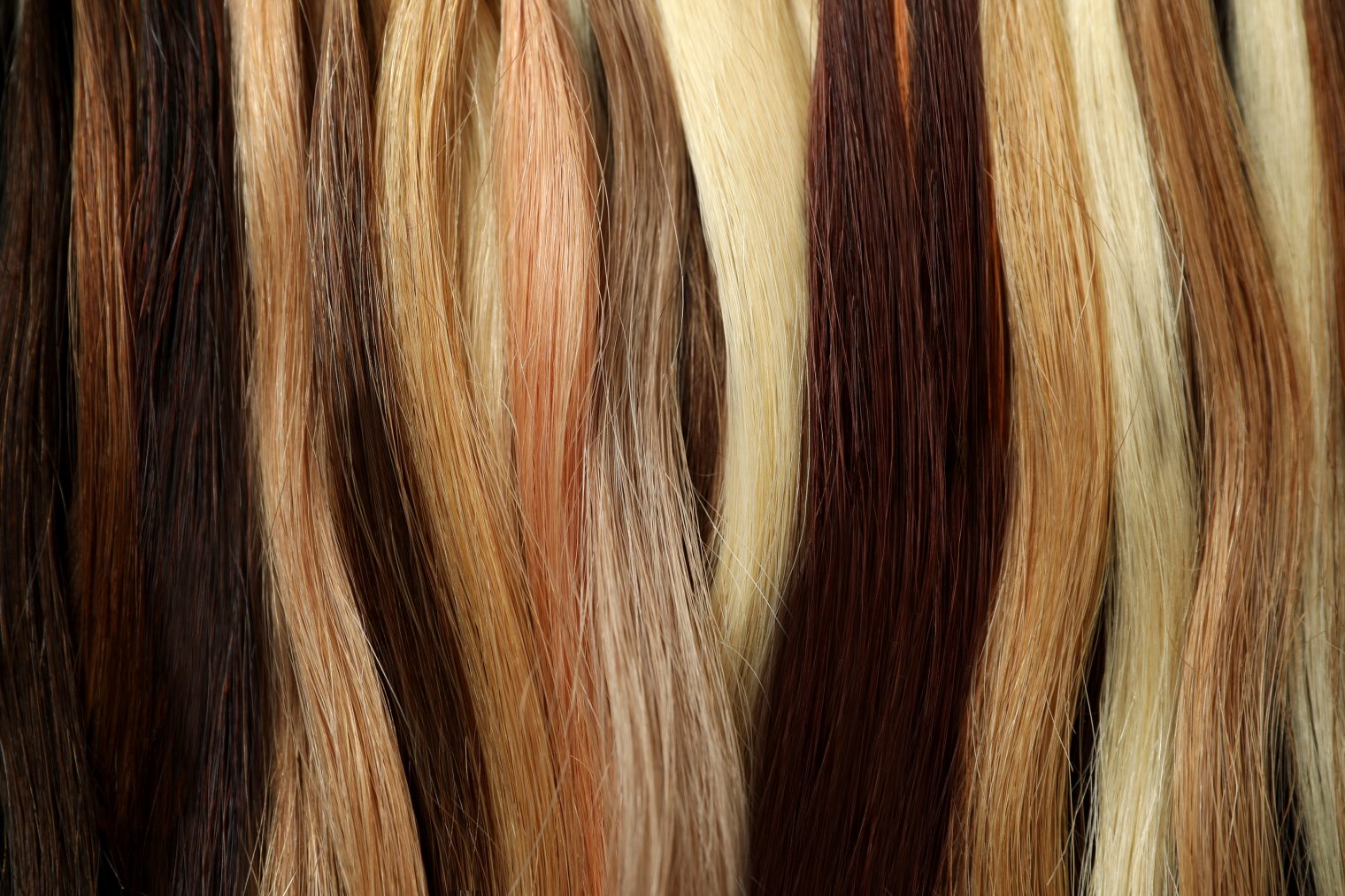
When you hear about hair highlights, you might picture vibrant streaks of color running through someone’s hair. But there’s a growing trend toward achieving a more subtle and natural look. This is where natural highlights come in. They offer a way to enhance your hair’s beauty without drastic changes or harsh chemicals.
What Are Natural Highlights?
Natural highlights are subtle, gentle streaks of lightening within your hair. They blend seamlessly with your natural hair color, creating a soft and sun-kissed effect. Unlike bold, artificial highlights, natural highlights mimic the way the sun naturally lightens hair over time.
Why Choose Natural Highlights?
There are several reasons why someone might choose natural highlights over more intense coloring techniques:
- Subtlety: Natural highlights give you a fresh, youthful appearance without being overly dramatic.
- Less Damage: Because they’re less intense, natural highlights often cause less damage to your hair.
- Easier Maintenance: With their subtlety, natural highlights grow out more seamlessly, requiring fewer touch-ups.
- Natural Look: These highlights enhance your natural hair color rather than masking it.
Common Techniques for Achieving Natural Highlights
There are many ways to achieve natural highlights, from traditional salon techniques to more DIY approaches. Let’s explore some of the most popular methods.
Balayage
Balayage is a technique where the stylist hand-paints the highlights onto your hair. This freehand approach creates a gradual, soft gradient that looks incredibly natural. The highlights are usually more concentrated towards the ends, mimicking the way hair lightens in the sun.
Babylights
Babylights are tiny, subtle highlights that blend seamlessly with your hair. They’re called “babylights” because they resemble the soft, natural highlights often seen in children’s hair. This technique involves taking very small sections of hair and applying a lighter color, creating a gentle, natural effect.
Foil Highlights
Foil highlights are a classic technique where sections of hair are wrapped in foil and lightened. This method can be used to create both bold and natural highlights, depending on how it’s done. For natural highlights, the stylist will typically use smaller sections and avoid stark contrasts.
Using Natural Ingredients
If you prefer a more natural approach, there are ways to achieve highlights using common household ingredients. While these methods may take longer to show results, they’re often gentler on your hair.
Lemon Juice
Lemon juice is a classic ingredient for lightening hair. Its natural acidity can subtly lift hair color when exposed to the sun. To use lemon juice for natural highlights, apply it to the desired sections and spend some time in the sun. Just be sure to moisturize afterward, as lemon juice can be drying.
Honey
Honey is another natural ingredient that can help lighten hair over time. It contains trace amounts of hydrogen peroxide, a common lightening agent. To use honey for highlights, mix it with conditioner and apply it to your hair. Leave it on for an hour or more, then rinse. This method is gentle and also helps moisturize your hair.
Chamomile Tea
Chamomile tea can create subtle highlights, especially for those with light hair. Brew a strong batch of chamomile tea and let it cool. After washing your hair, pour the tea over it and let it sit for a while before rinsing. Repeat this process a few times to see a gradual lightening effect.
Maintenance and Care for Natural Highlights
Once you’ve achieved your natural highlights, it’s important to take good care of them to keep them looking fresh and vibrant. Here are some tips to help you maintain your highlights.
Moisturizing and Conditioning
Highlighted hair tends to dry out more quickly, so it’s crucial to keep it well-moisturized. Use a deep conditioner or hair mask regularly to maintain softness and shine. Avoid shampoos with harsh sulfates, as they can strip moisture from your hair.
Avoiding Heat Damage
Heat styling tools can cause significant damage to highlighted hair. To avoid this, limit your use of hairdryers, flat irons, and curling irons. If you do use them, apply a heat protectant spray and keep the heat setting as low as possible.
Regular Trims
To keep your natural highlights looking fresh, regular trims are essential. This helps remove split ends and prevents your hair from looking frayed or damaged. Aim for a trim every 6 to 8 weeks to maintain a healthy appearance.
Choosing the Right Color for Your Natural Highlights
Selecting the right shade for your natural highlights is crucial to achieving a cohesive look. Here are some factors to consider when choosing a color.
Skin Tone Considerations
Your skin tone plays a significant role in determining which highlight color will suit you best. Generally, warm-toned individuals look great with golden or honey highlights, while cool-toned people often suit ash or platinum hues. Experimenting with different shades can help you find the perfect match.
Consulting with a Professional Stylist
While DIY approaches can be fun, consulting with a professional stylist can ensure that your natural highlights are tailored to your hair type and complexion. A stylist can recommend the best techniques and colors for you, preventing costly mistakes.
Experimenting with Temporary Highlights
If you’re not ready to commit to permanent highlights, consider experimenting with temporary options. Temporary sprays or wash-out hair colors let you try different shades without the commitment. This approach is great if you want to see how a particular color looks before making a permanent change.
Conclusion
Natural highlights are a fantastic way to add depth and dimension to your hair without drastic changes. Whether you opt for professional techniques like balayage and babylights or prefer a DIY approach with natural ingredients, there’s a method for everyone. The key to successful natural highlights is to keep them subtle, maintain them with proper care, and choose the right shade for your skin tone. With these tips, you’re well on your way to achieving a beautiful, sun-kissed look.
FAQs
Are natural highlights suitable for all hair types?
Yes, natural highlights can be achieved on various hair types, but the results might differ. Consulting with a professional stylist can help determine the best technique for your specific hair type.
How long do natural highlights last?
The longevity of natural highlights depends on the technique used and how well you maintain them. Generally, they last between 6 to 12 weeks before needing touch-ups.
Can I get natural highlights at home?
Yes, you can achieve natural highlights at home using DIY methods like lemon juice, honey, or chamomile tea. However, for more complex techniques like balayage or foil highlights, it’s best to visit a professional.
Do natural highlights damage hair?
Natural highlights tend to cause less damage than traditional coloring techniques. However, it’s still essential to maintain your hair with proper conditioning and avoid excessive heat styling.